Conclusion
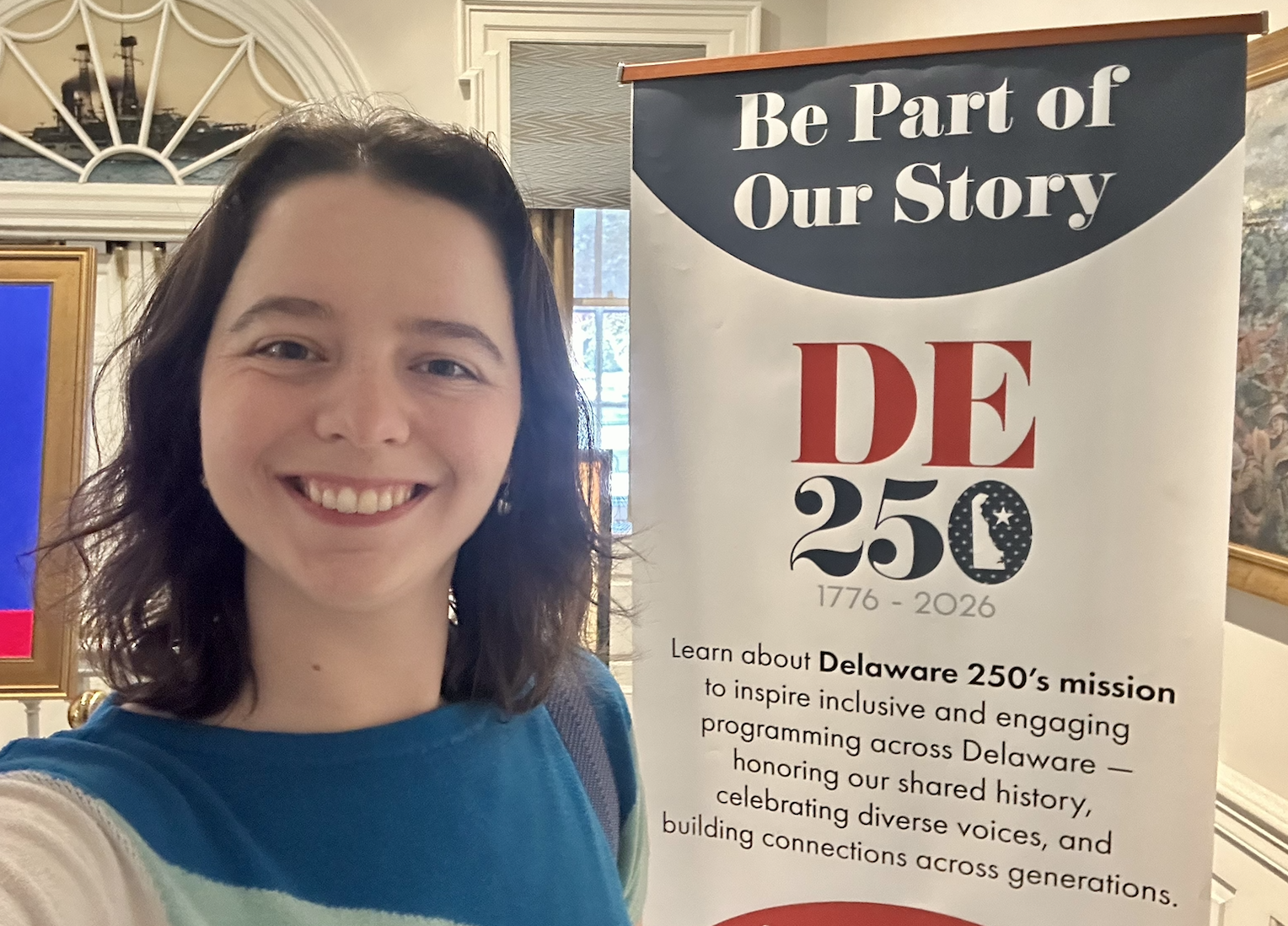
As I navigated archival collections that house all the postcards I've highlighted here while partaking in my own commemorative work as a researcher and representative of Delaware 250, I am reminded of Simon Gikdandi’s question of how “to read evidence in the archive outside of our own (presentist) set of interests and desires?” What traces will I leave behind as a participant in the formation of Delaware 250's archive? While this actively growing archive and my contributions to it are undoubtedly connected to the present moment, the collection of postcards is also irrefutably detached.
The postcards, these material traces of commemorative acts carried out by dozens of Delawareans, that have been collected by the Delaware Public Archives have not seen modern applications in programming or further outreach. The collection, which can so readily illustrate how Delawareans are perceiving the importance of the upcoming semiquincentennial in the state to others and encourage any common camaraderie or opportunities for collective remembering is, at the moment, not being utilized to its full potential.
Through crowd-sourcing individual memories and experiences with the state of Delaware, the archiving institutions at the heart of this initiative positioned themselves to interpret an overarching narrative of Delaware history drawn on diverse experiences. However, by letting these records sit within an archive, the experiences remain individual, collectivized only in a physical sense of the word and not applied to a larger Delawarean community.
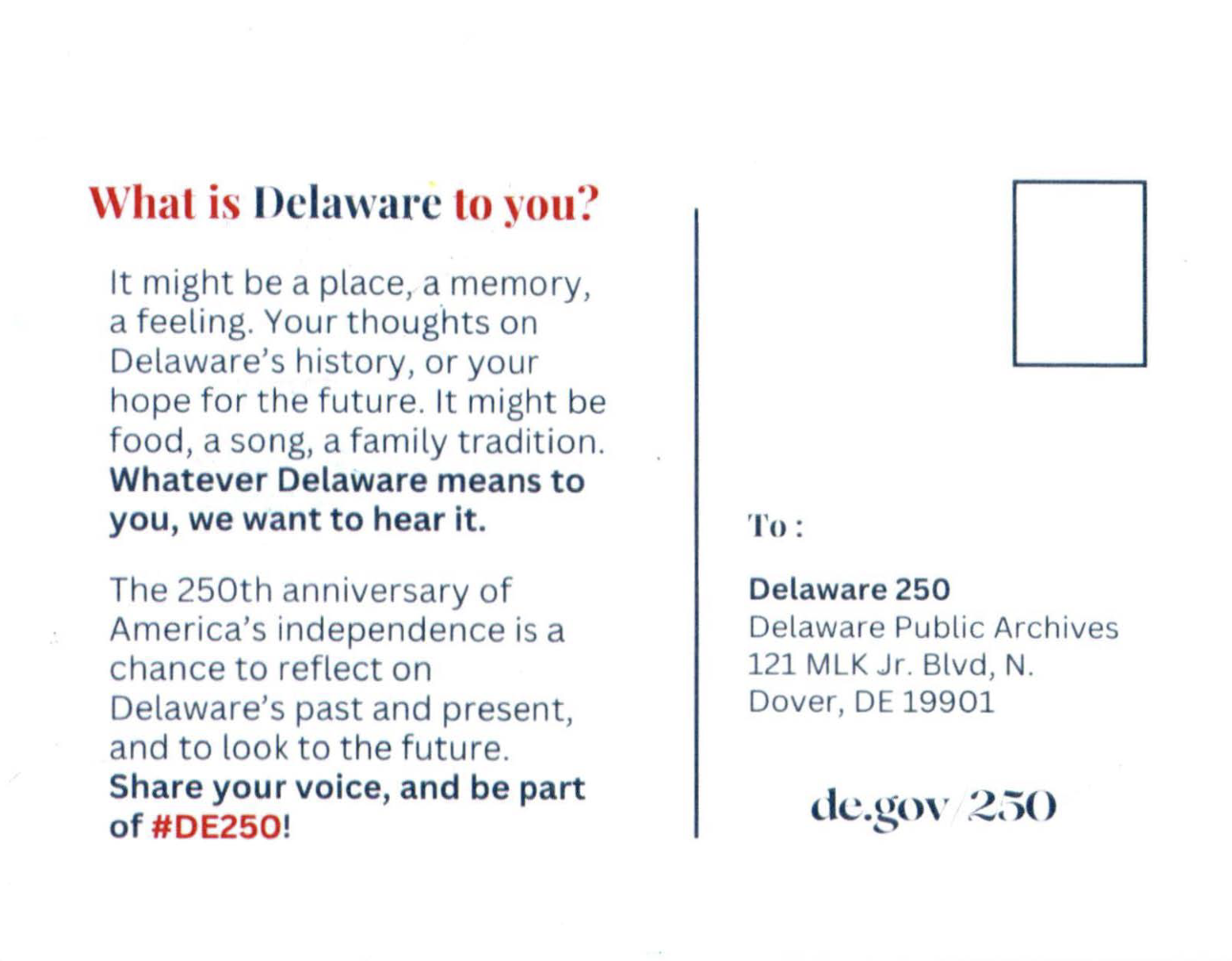
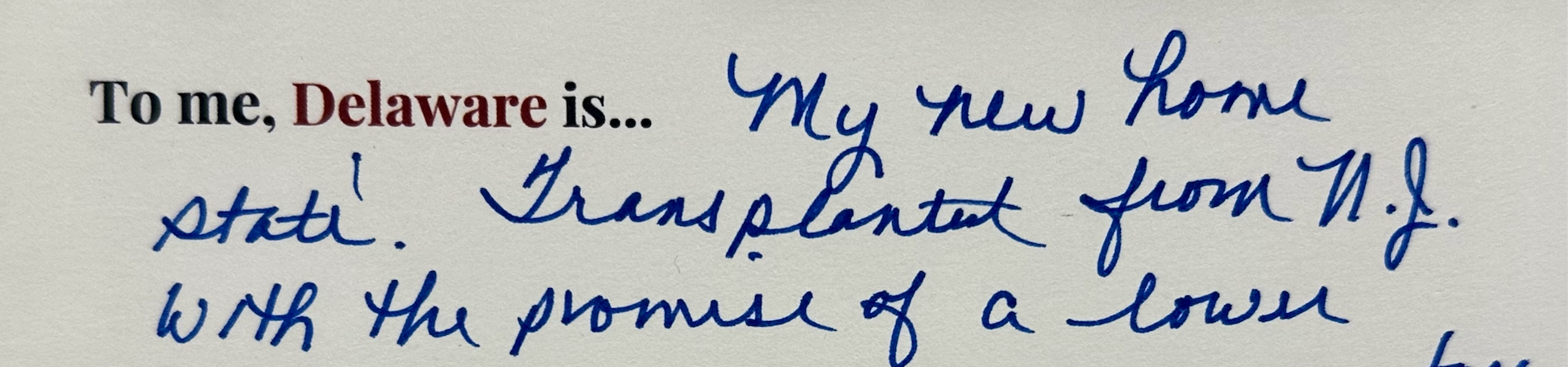
Every commemorative act detailed in each postcard within this exhibit, no matter how small, has contributed to the current historical memory of Delaware. As such, they will shape which commemorative narratives emerge and how they are communicated during the state and the nation’s semiquincentennial anniversary of independence in 2026. In his examination of the stories we tell about the past, Michel-Rolph Trouillot discusses the draw we feel towards tangible, material traces of the past, stating that “...the materiality of the sociohistorical process (historicity 1) sets the stage for future historical narratives (historicity 2).” This, and the diversity of commemorative acts that form this material record, is precisely what is revealed and gained through this initiative. Will what author Susan Stewart refers to as “forgetting” define the state’s approach to next year’s commemoration, or can the remembering, the commemorative acts the public is so clearly and so eagerly willing to present for preservation, shape the commemorative narrative we craft in 2026?